|
|
| ||||
|
The term classical refers to a musical period from the mid 1700s to the early 1800s. It is now commonly used to describe the classical genre that encompasses many styles of music from the baroque period (1600s to mid. 1700s) through the classical, romantic (early 1800s & 1900s) and 20th century periods of music. This title is also used to define the distinction between classical and popular music. Various symbols like dynamic and tempo markings help us understand the composer's intended ideas regarding volume, speed and feel. They are mostly written in Italian so the following charts show some of these symbols, their Italian names and their meanings. Dynamic Markings
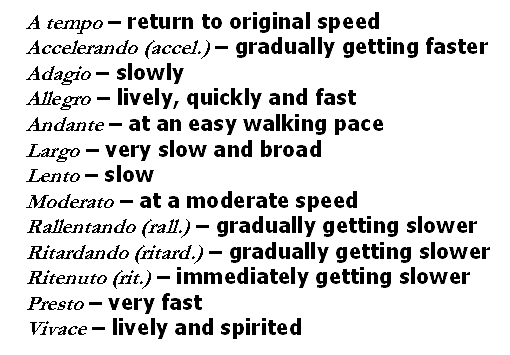
Tempo Markings
Other Markings
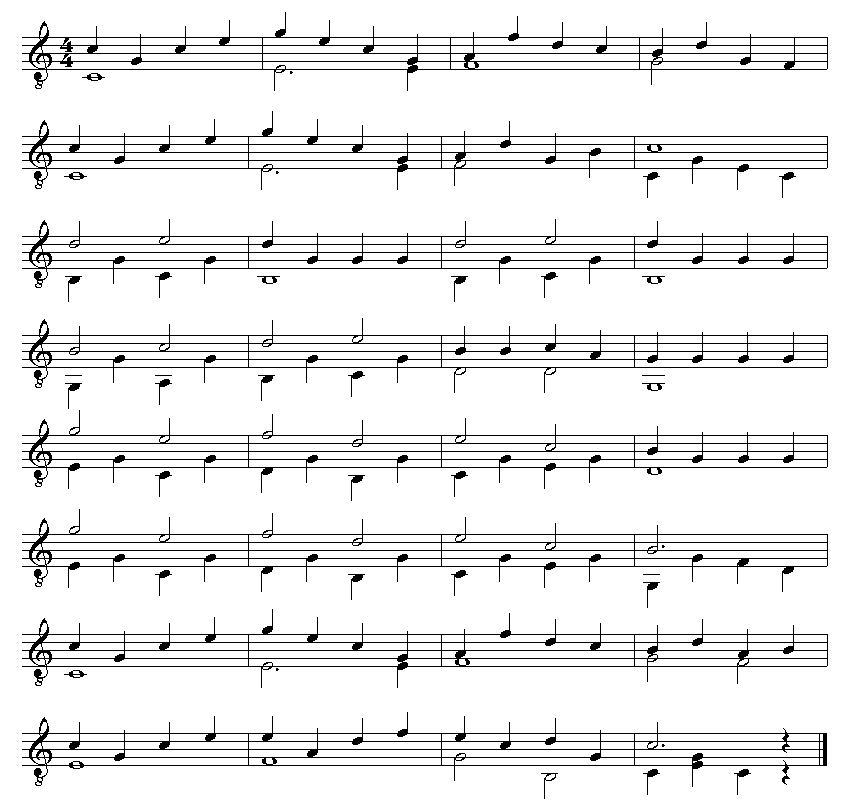
Classical guitar pieces are generally played on classical guitars. A classical guitar is a nylon string acoustic guitar. The main techniques to be used are fingerstyles such as rest-stroke and free-stroke. The melodic qualities of the classical style have been used in other contexts including electric guitar using the sweep picking technique. Classical guitar is also known as Spanish guitar. Although the guitar has been around in variation forms for centuries, it was not taken seriously as an instrument for quite some time because it lacked the volume and projection to compete with other orchestral instruments. It was as a solo instrument that the guitar really shined as various musicians began to compose music especially for the guitar. Example 30a"Siciliano" by Matteo Carcassi
Playing through Siciliano you will notice that your left hand is playing Amin, Dmin and E7 shapes. The second speaker icon is a variation on this piece by simply playing arpeggios over these three chords.
Example 30b"Melody in C" by Fernando Sor
Example 30c"Andante in A Minor" by Ferdinando Carulli
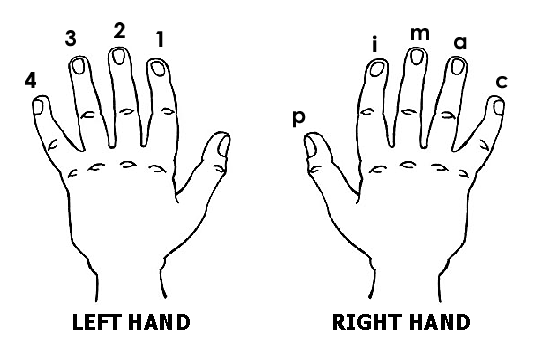
The preceding pieces would be considered a beginners repertoire as the notes seem to fall naturally under your fingers in the first position. The following three examples are much more difficult. They require careful analysis and study to find appropriate fingerings for the frequent position shifts. The convention for fingering is as follows: (p=pulgar, i=indice, m=medio, a=anular, c=cuarto)
Example 30d"Doce Composiciones. Capricho Arabe" by Francisco Tarrega (Drop D tuning D A D G B E) Example 30e"Douze Etudes. Etude No. 1" by Heitor Villa-Lobos.
Example 30f"Asturias" by Isaac (Manuel Francesco) Albeniz
These last three examples are for the advanced student. To play them properly it would be beneficial to obtain the full sheet music and study with an experienced teacher. |